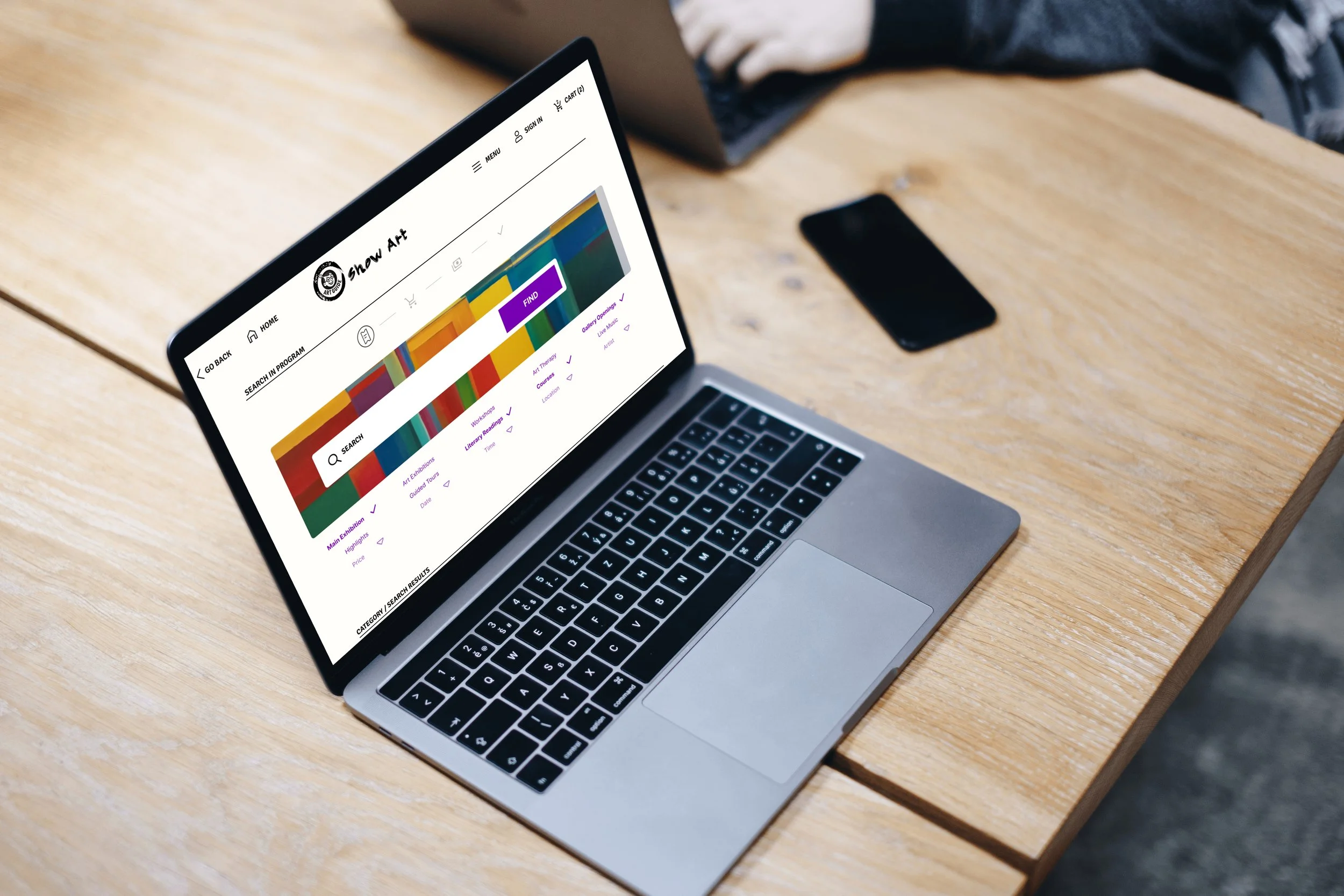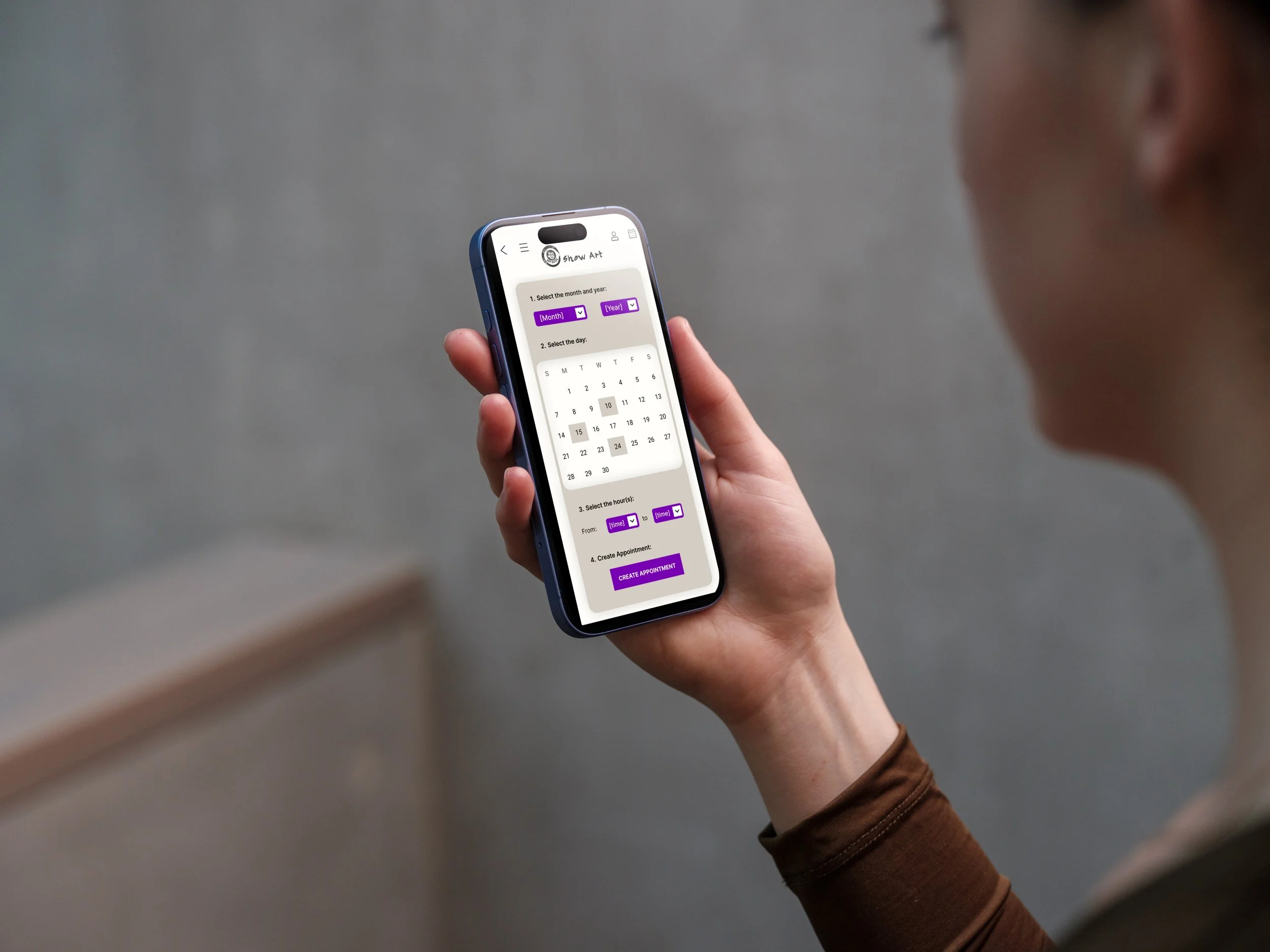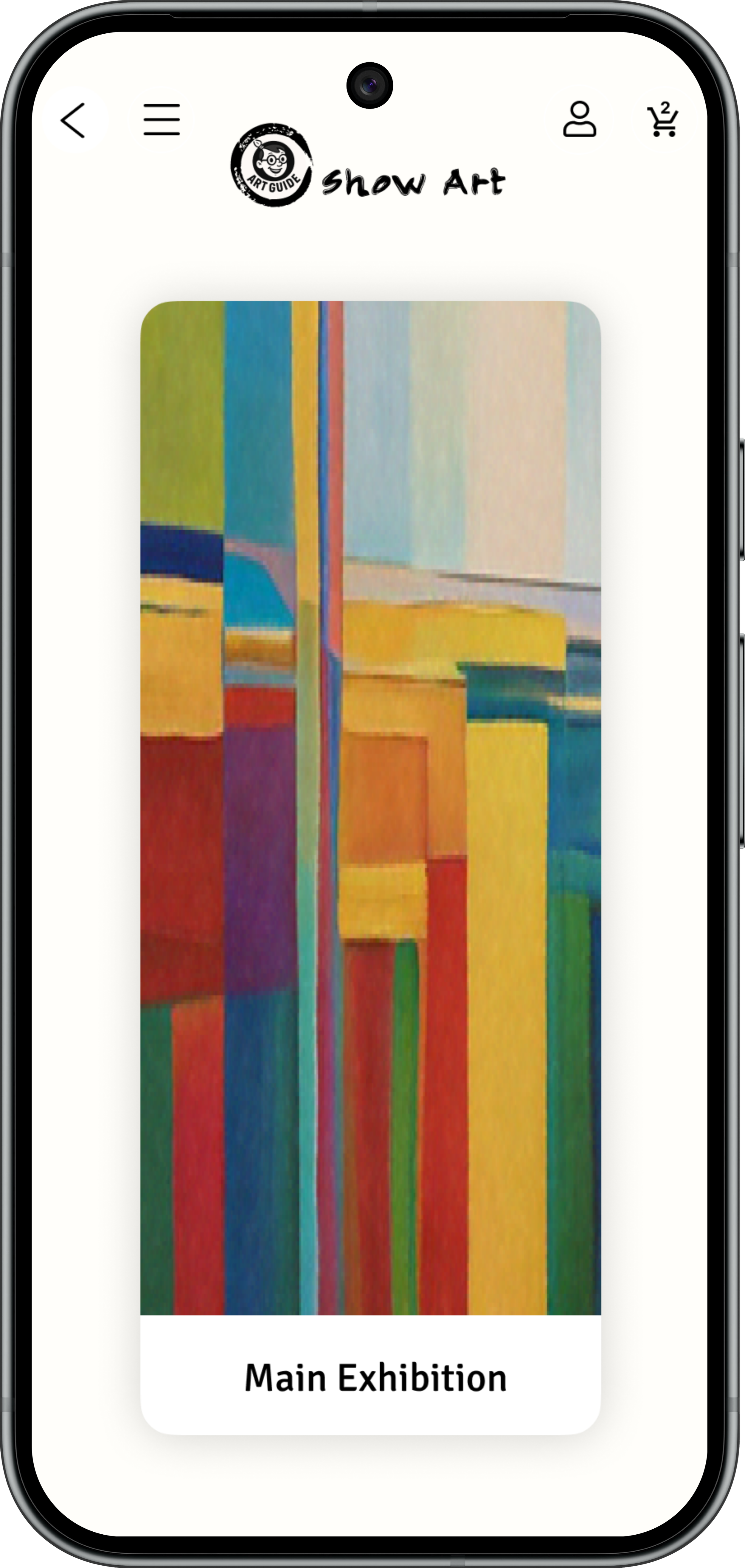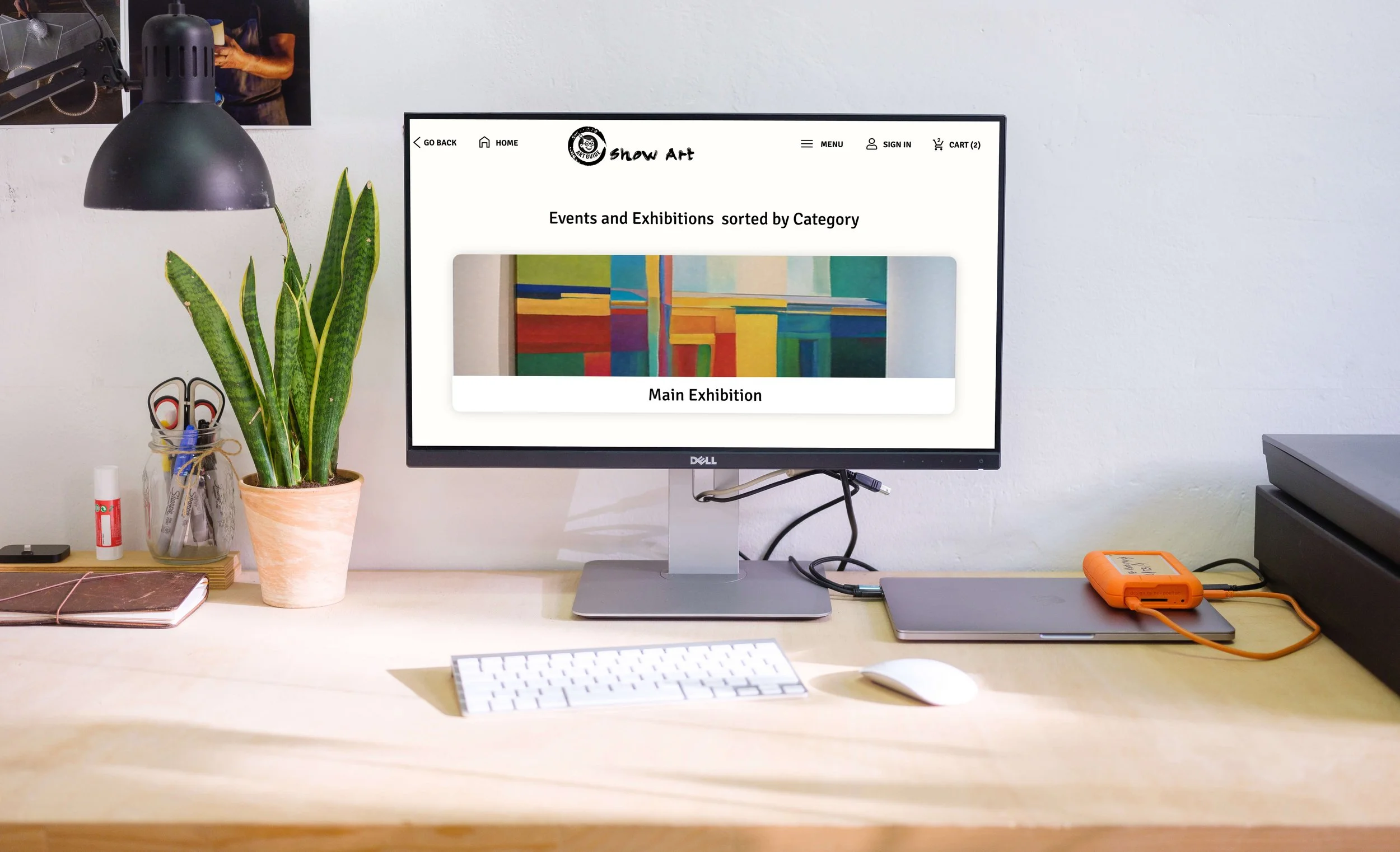
Project Overview
This dual-platform ecosystem addresses museum accessibility and visitor churn by translating raw LLM logic into intuitive user experiences. The platform utilises a deterministic-to-probabilistic UI bridge, mapping dual interactive sliders (Tone and Recommendations) directly to backend LLM hyperparameters. To ensure an inclusive, distraction-free environment for marginalized visitors, the next phase introduces hidden prompt-channeling layers: routing inputs across 5 psychology-trained AI personas while strictly regulating token output lengths to prevent mobile viewport text walls.
Key Technical Pillars to highlight lower down:
Dual-State Sliders: Translating high-level user preferences into real-time context injections.
Contextual Agent Routing: Designing the behind-the-scenes system architecture that matches user psychologies to a specific museum expert persona.
Token Containment & Truncation: Setting hard limits on AI output to avoid user cognitive fatigue on mobile screens.
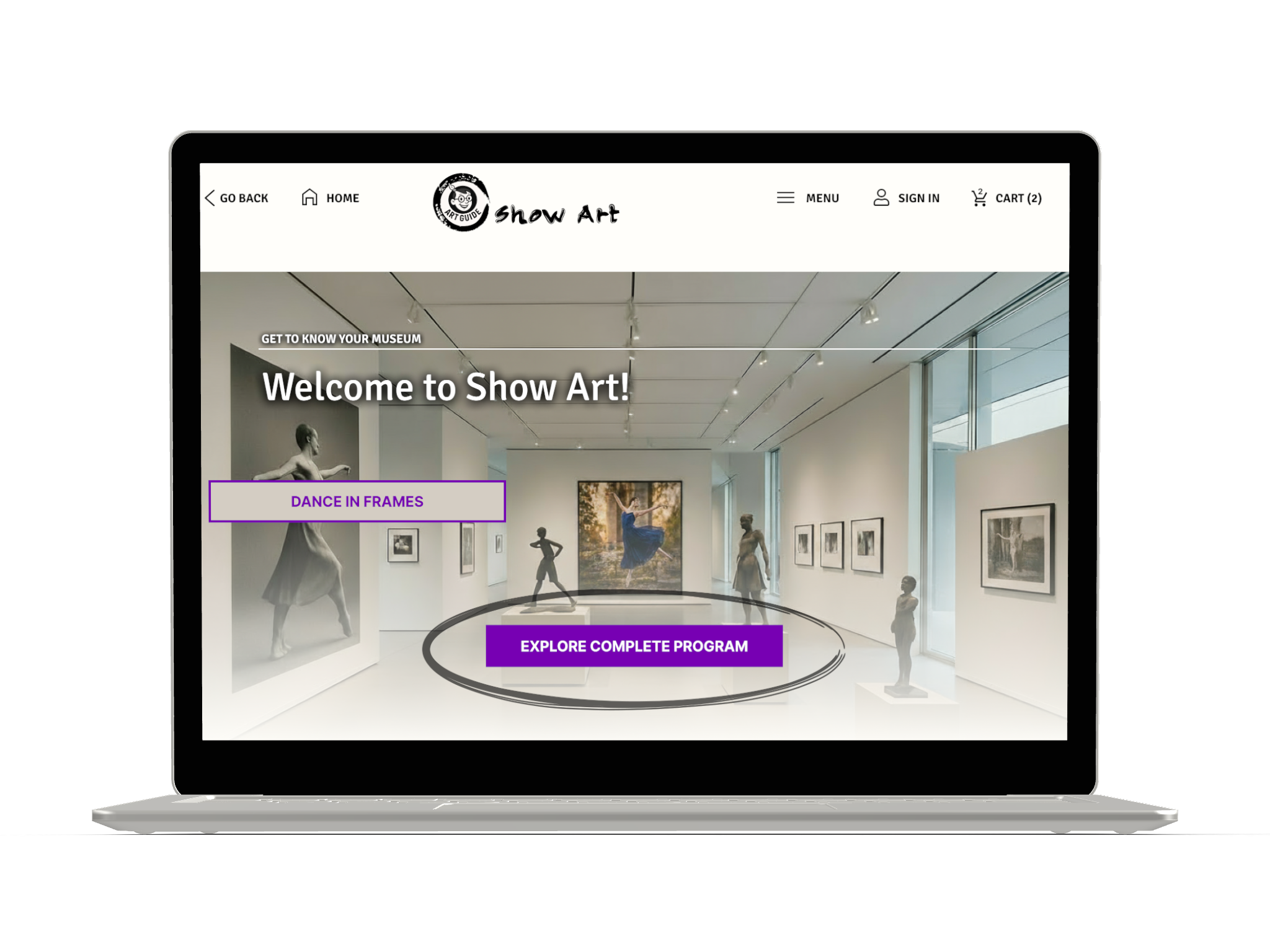
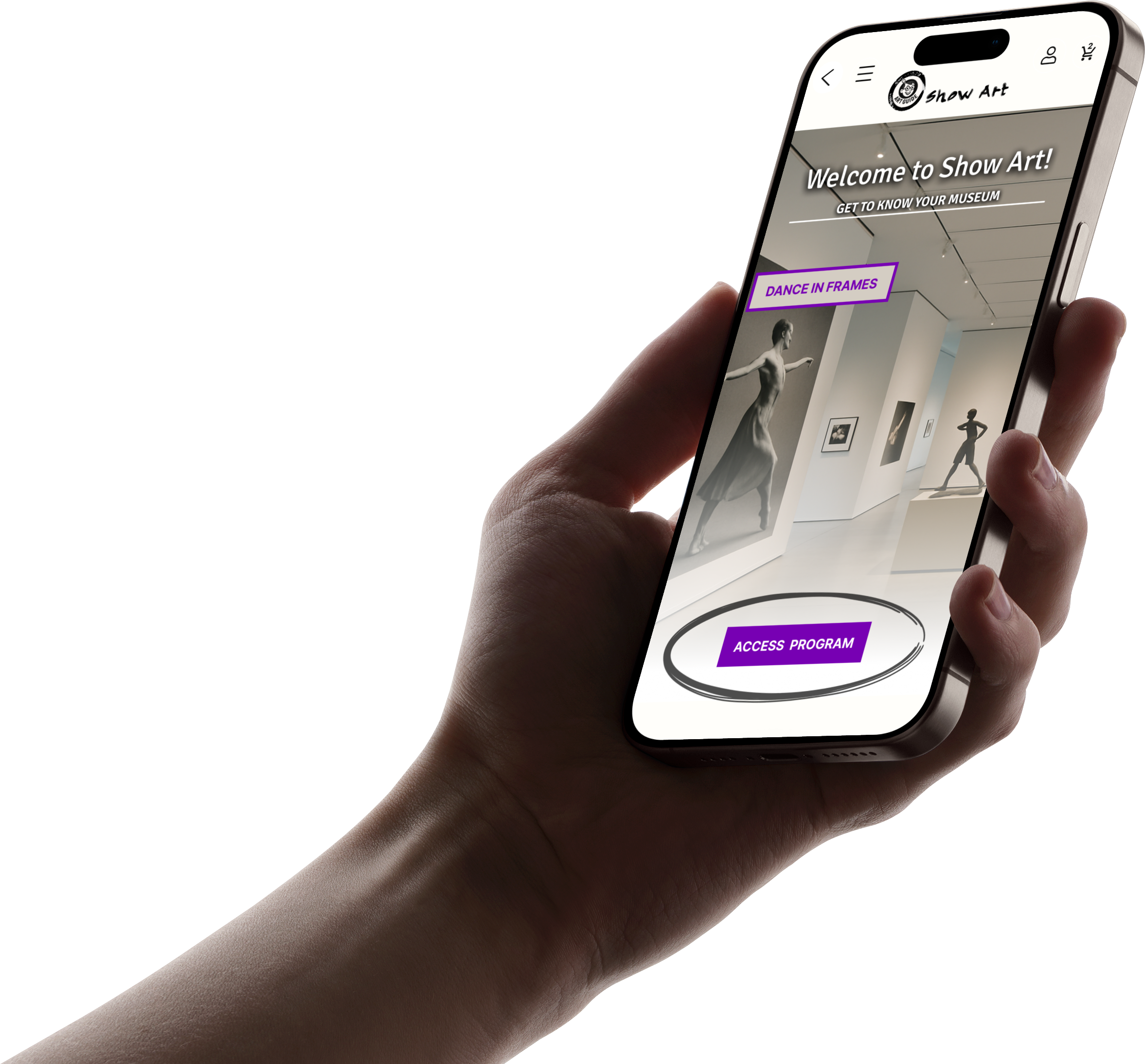
Psychology-driven UX architecture: 5 distinct agent profiles (how inputs are routed contextually) under the hood:
The Empathetic Storyteller (Psychology Focus: Belonging & Low Confidence)
Target User: Visitors who feel intimidated, out of place, or alienated by traditional art history.
System Prompt Boundary: Use warm, conversational language. Avoid jargon. Frame art through human emotions, universal themes, and personal histories rather than dates and technical eras.
The Curiosity Curator (Psychology Focus: Cognitive Engagement & High Autonomy)
Target User: Visitors who want to explore hidden details and love solving puzzles or uncovering secrets.
System Prompt Boundary: Frame descriptions around unanswered questions, historical mysteries, and eccentric creator details. End responses with open-ended prompts to guide spatial exploration.
The Sensory Anchor (Psychology Focus: Neurodivergence & Sensory Processing)
Target User: Visitors with ADHD, autism, or sensory sensitivities who need a calming, highly structured environment.
System Prompt Boundary: Keep descriptions ultra-concise with bullet points. Focus on tactile, spatial, and auditory elements of the artwork. Avoid sensory-overloading metaphors and include low-traffic spatial navigation tips.
The Socio-Cultural Analyst (Psychology Focus: Critical Thinking & Diverse Identities)
Target User: Marginalized or activist visitors looking for representation, equity, and the true political context of art.
System Prompt Boundary: Analyze pieces through a lens of power dynamics, colonialism, gender, and class struggle. Re-center marginalized voices that standard museum plaques often omit.
The Playful Synthesizer (Psychology Focus: Low Attention Span & High Fatigue)
Target User: Tired visitors, younger audiences, or those experiencing "museum fatigue" who want quick, high-energy connection.
System Prompt Boundary: Use highly accessible analogies, modern pop-culture comparisons, and touchpoints of humor. Keep the token length strictly short to ensure rapid reading.
Behind the scenes — Changes to MUSE (AI Guide) for better capturing words and their impact
Goal: Make MUSE count and weigh words more accurately to give clearer guidance.
Planned changes
Group multi-word units (names, idioms, compounds) as single units.
Give words dynamic weights based on role in the sentence, importance, and context; normalize scores per input.
Extend context for key phrases, drop low-relevance content, and focus on high-weight phrases.
Use phrase-level embeddings for clearer combined meaning.
Run a quick sense check to pick likely meanings before weighting.
Expected results
Keep phrase meanings intact.
Align guidance better with user intent.
Reduce hallucinations by focusing on high-impact words.
Improve UX by highlighting important phrases.
Next steps
Run A/B tests and adjust thresholds.
Grow the annotated corpus across domains and languages.
Test UI options to show phrase importance and collect feedback.